

Filler Injection for Penis Enlargement. Enhance Penile Girth.
Filler Injection
for Penis Enlargement.
Enhance Penile Girth.

more than 1,000 injections
for penis enlargement
the duration of the effect depends on the type of filler used.
Сontent
Types of dermal fillers for penis enlargement
Penile girth enhancement with injectable fillers is a minimally invasive alternative to surgical enlargement. The duration and characteristics of the result depend primarily on the type of filler and injection technique used.
The most commonly used materials for penile girth enhancement are hyaluronic acid (HA) and polylactic acid (PLLA). These materials can be used separately or as part of combined injection techniques that aim to combine their different properties.
Penis filler injection procedure steps
Penile filler injections are usually performed under local anesthesia. An anesthetic cream or gel may first be applied to the penile skin for approximately 20–30 minutes, followed, when required, by a small amount of local anesthetic such as lidocaine before the filler is injected.
The amount and distribution of filler are selected individually according to penile anatomy, the material being used, previous procedures, and the degree of girth enhancement desired.
Hyaluronic acid penile injections (HA)
Hyaluronic acid is one of the most widely used materials for non-surgical penile girth enhancement. HA provides an immediate volumizing effect and allows the doctor to shape and distribute the filler within the subcutaneous tissues.
Rather than injecting a very large volume in a single procedure, HA treatment can be performed in stages. Depending on the patient’s anatomy and desired result, approximately 10–20 ml may be administered during one session, with additional volume added during subsequent sessions when appropriate.
The final amount of filler required varies considerably between patients and should be determined individually rather than according to a fixed standard volume.
Side effects and limitations of HA penile injections
One of the limitations of hyaluronic acid is that the material may change its distribution within the tissues after injection. In some patients, filler can accumulate near the glans or become unevenly distributed, producing contour irregularities.
The risk of undesirable filler distribution may be greater when large volumes are used or when the patient is uncircumcised, because part of the material can migrate toward the foreskin.
Another important limitation is the temporary nature of the result. Hyaluronic acid is gradually degraded by the body, and the effect of conventional HA fillers typically decreases over approximately 8–12 months, although longevity varies according to the product used and individual patient factors.
Recovery after hyaluronic acid penile filler injections
Recovery after HA penile filler injection is generally relatively short. Temporary swelling, sensitivity, bruising, or minor contour irregularities may occur during the first several days while the filler settles within the tissues.
Patients receive individual post-procedure instructions concerning hygiene, physical activity, massage or modeling when indicated, and the appropriate time to resume sexual activity.
Several specialized approaches to penile HA injection have been developed, including techniques known as Androfill, Penofill, and Urofill. Their injection protocols, filler selection, and treatment strategies may differ.
Another approach to penile girth enhancement is the use of polylactic acid (PLLA), which acts differently from conventional hyaluronic acid fillers.
Penile girth enhancement with polylactic acid (PLLA)
Polylactic acid is a biostimulatory injectable material that promotes the formation of a collagen-rich tissue matrix after administration. Unlike hyaluronic acid, which primarily produces volume through the presence of the injected gel itself, PLLA also stimulates a gradual tissue response and collagen formation.
PLLA begins to integrate and stabilize within the tissues following injection, while collagen formation develops progressively over time. Depending on the product, technique, and patient’s anatomy, approximately 20–30 ml may be used during a treatment session.
The resulting increase in penile circumference varies between patients and depends on the injected volume, tissue response, and treatment protocol.
Risks and limitations of penile PLLA injections
PLLA requires careful injection and even distribution within the tissues. Inadequate distribution can contribute to the formation of palpable areas, nodules, or contour irregularities, which is why experience with penile filler procedures is particularly important.
Because PLLA stimulates collagen formation, the resulting tissue structure is generally denser than with conventional hyaluronic acid alone. Individual inflammatory or other tissue reactions may occur, as with other injectable materials.
The effect of PLLA generally develops progressively and can persist longer than that of conventional HA fillers. Depending on the product, treatment technique, and individual biological response, the result may remain visible for approximately 2–3 years.
The complementary properties of HA and PLLA also make it possible to use these materials together as part of a combined injection technique.
AktivGel for penile girth enhancement
AktivGel is a combined injection technique for penile girth enhancement based on the use of hyaluronic acid (HA) fillers together with polylactic acid (PLLA).
Depending on the clinical indication and the required density, medium- and high-density hyaluronic acid fillers can be combined with a PLLA-based product such as AestheFill.
The principle of the AktivGel technique is to combine the immediate volumizing effect of hyaluronic acid with the structural and collagen-stimulating properties of polylactic acid. According to the proposed mechanism of the technique, interaction with PLLA reduces the susceptibility of hyaluronic acid to enzymatic degradation by hyaluronidase, allowing the injected material to remain in the tissues considerably longer than conventional HA filler used alone.
While the effect of standard hyaluronic acid fillers typically lasts around one year, the expected duration of the AktivGel technique is approximately 2–5 years. Actual longevity varies between patients and depends on the products used, injected volume, individual metabolism, and other individual factors.
For significant penile girth enhancement, the injected volume is selected individually according to the patient’s anatomy and desired result. In selected patients, 40–60 ml may be used to achieve a substantial increase in penile circumference. The appropriate volume is determined individually by the doctor and should not be considered a standard volume for every patient.
In Europe, the name AktivGel is used to describe this combined HA + PLLA injection technique. A similar combined approach is currently used in Dubai under the name Girth Maxx.
Important: AktivGel and ActiveGel
AktivGel (with a “K”) should not be confused with ActiveGel (with a “C”), a similarly named long-lasting synthetic aesthetic filler used in Ukraine. In Europe, AktivGel refers to the combined HA + PLLA injection technique and is not the name of a separate filler product.
Price of dermal fillers for penile augmentation
The cost of penile girth enhancement using the AktivGel technique depends on the types of fillers used, their total volume, and the injection procedure itself.
Unlike a single-product filler injection, AktivGel is a combined HA + PLLA technique. The treatment combines selected hyaluronic acid fillers with a polylactic acid (PLLA) product, and the exact combination and volume are determined individually according to the patient’s anatomy and desired degree of enhancement.
For significant penile girth enhancement, a total injected volume of 40–60 ml may be used in selected patients. The total cost generally ranges from approximately 14,000 AED for 40 ml to 20,000 AED for 60 ml, depending on the combination and quantity of products used.
Larger volumes can provide a substantial increase in penile circumference and may also slightly increase the apparent length of the penis in the flaccid state. This is partly due to the additional volume and weight of the injected material.
The exact volume, combination of fillers, and final cost are determined individually during consultation.

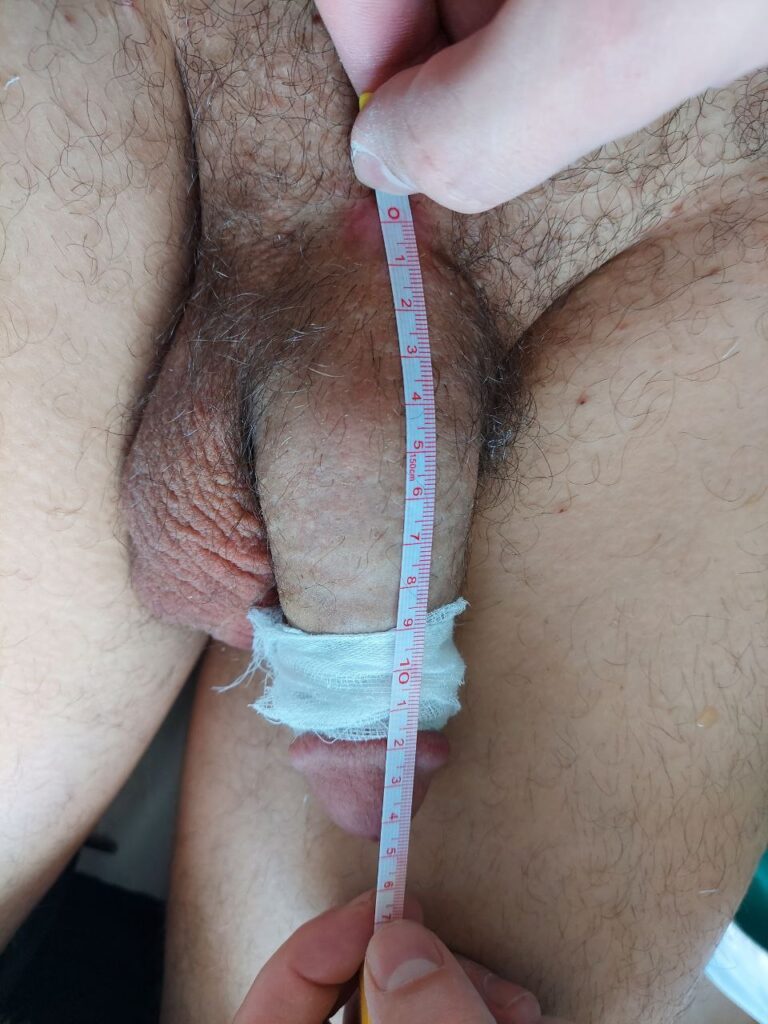
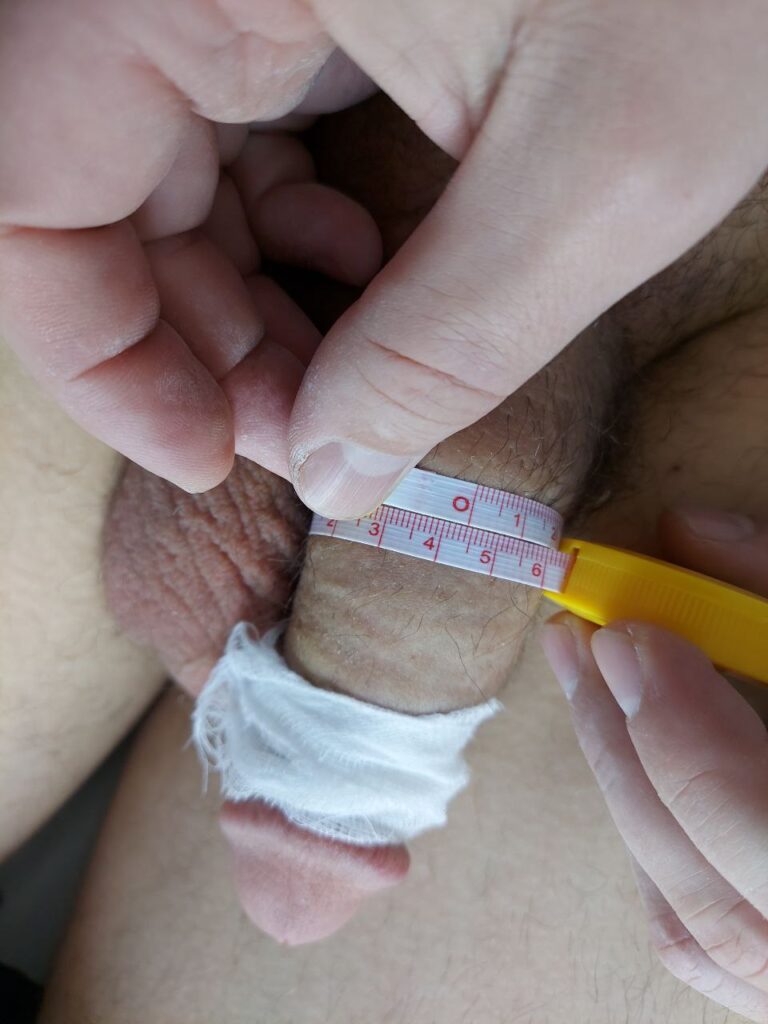
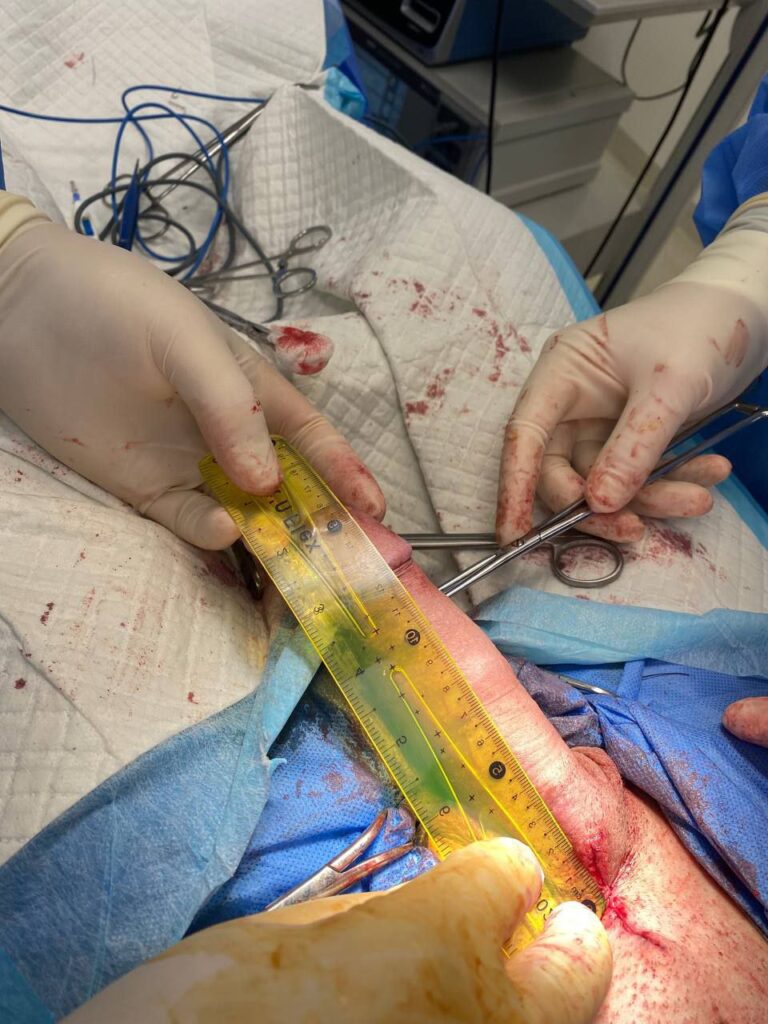
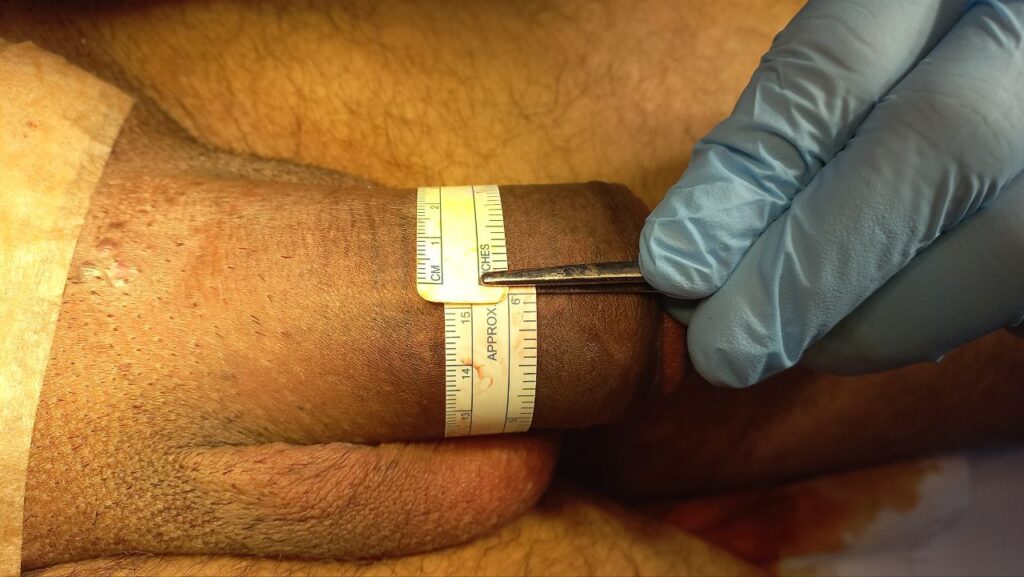
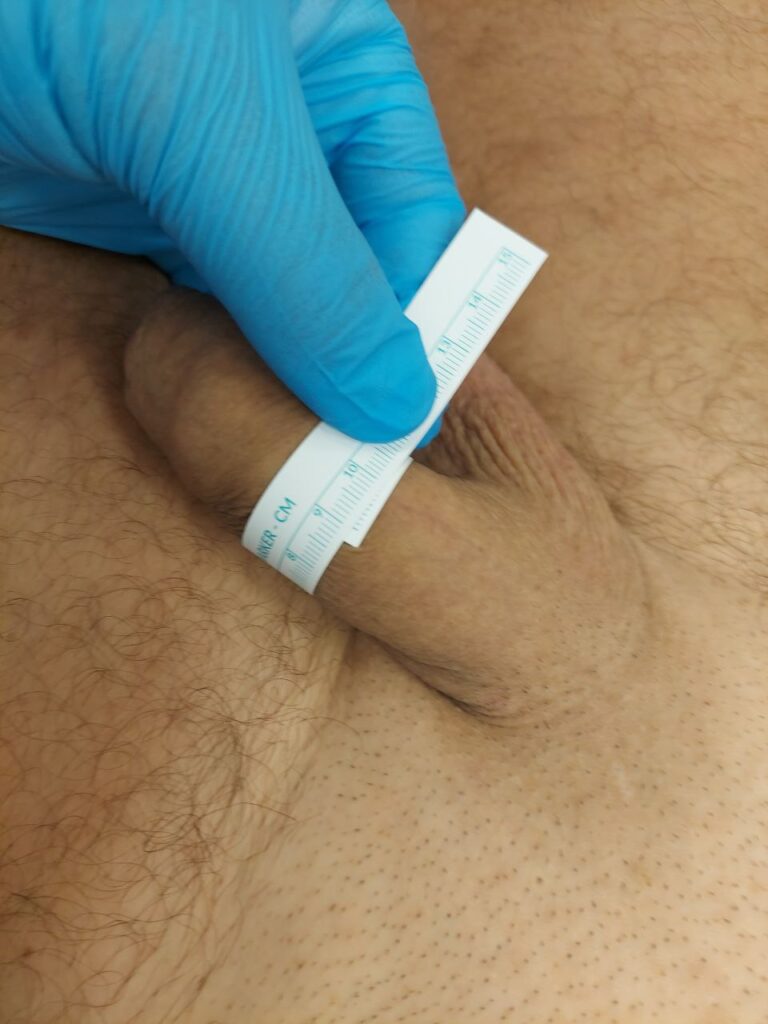
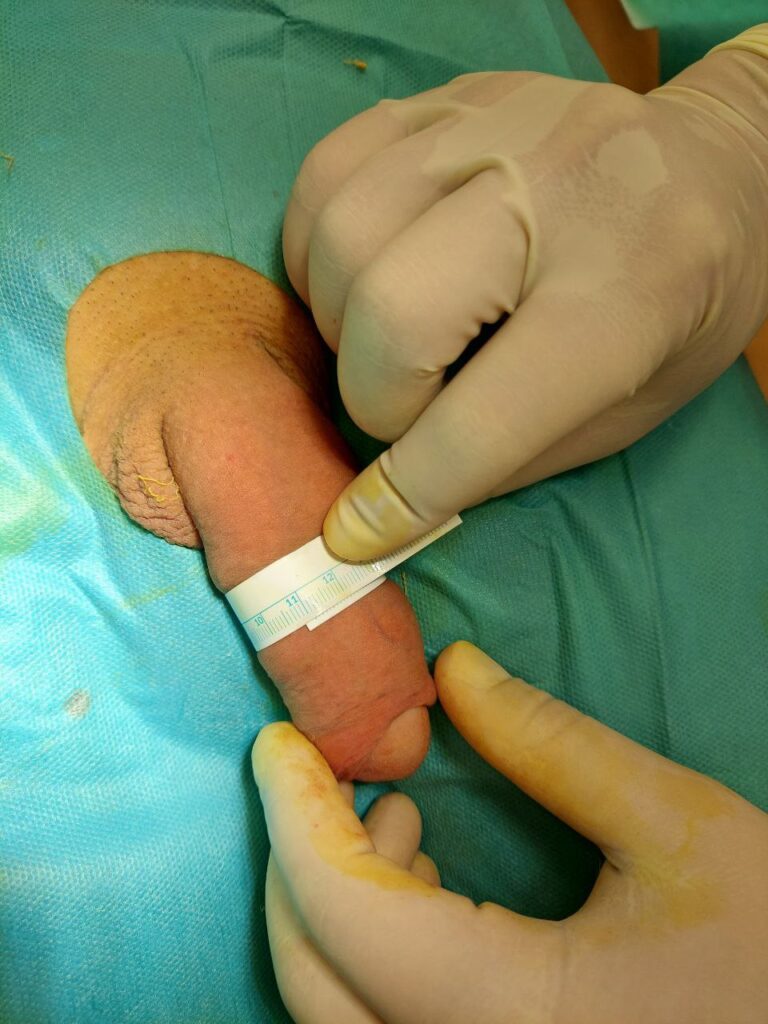
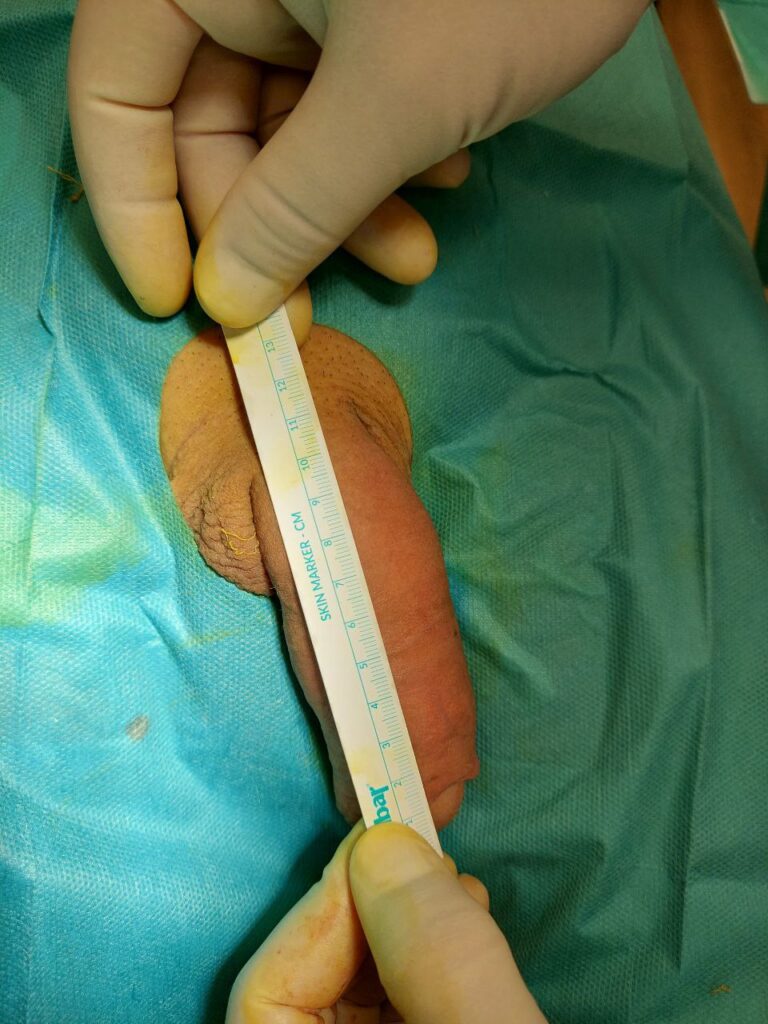
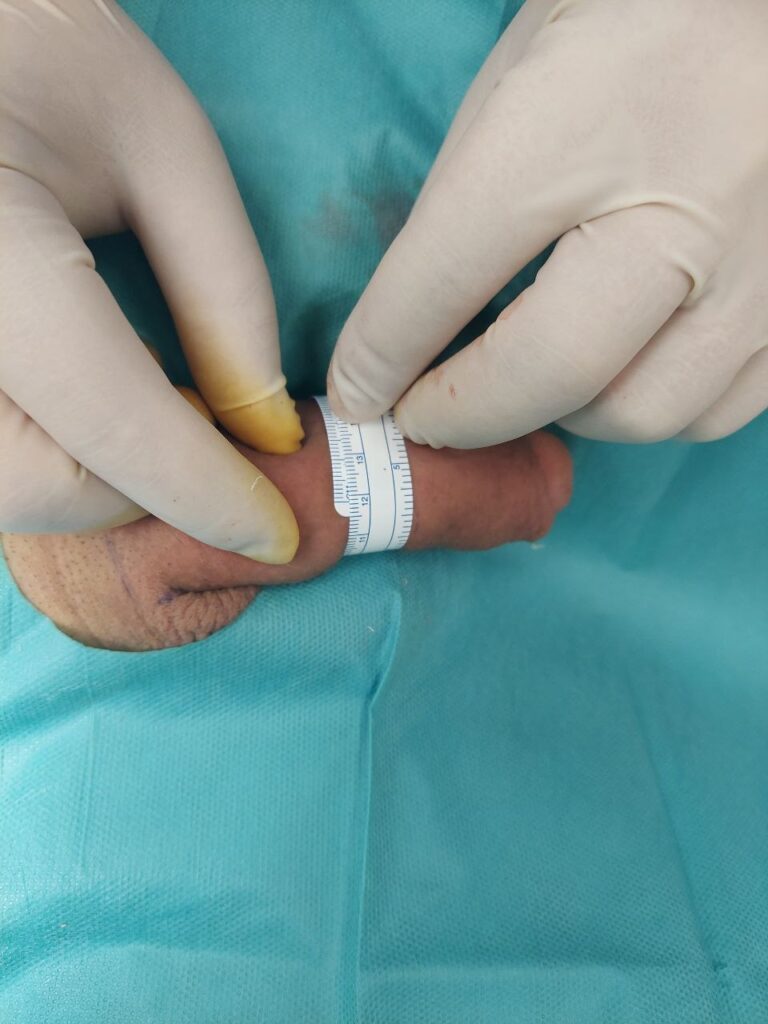
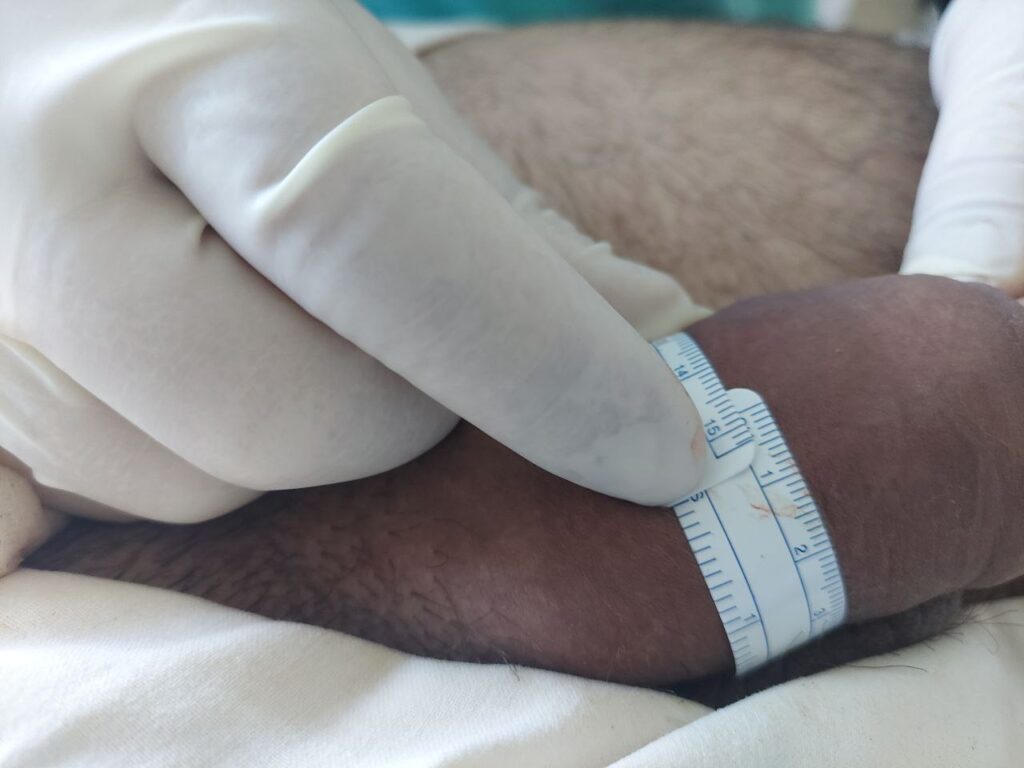
"Before and After" photos of dermal filler application for penile augmentation

More «Before/After» photos on our Telegram channel
